Shopping: A Strategic Design Resource for Modern Creatives
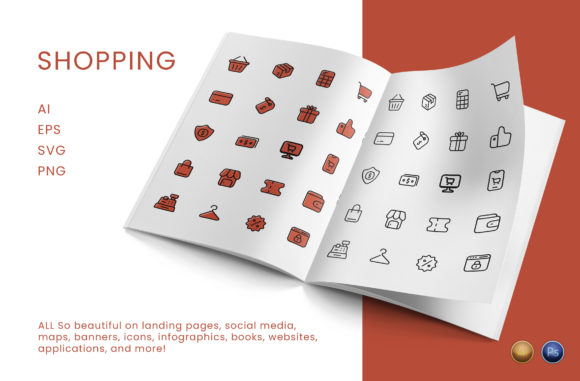
When used thoughtfully, Shopping can become more than just a visual asset—it can serve as a strategic tool for creators, marketers, and business professionals aiming to enhance communication, streamline workflows, and strengthen brand identity. This versatile icons pack offers 20 high-quality, customizable icons in multiple file formats, making it ideal for use across websites, social media, infographics, applications, and more. But its real value lies not just in its aesthetics, but in how it can be integrated into a broader creative or business strategy.
Why Shopping Matters in Design and Communication
Visual clarity plays a critical role in user experience, brand recognition, and message retention. Shopping provides a set of clean, professional icons that help convey ideas quickly and effectively. Whether you're designing a landing page, illustrating a report, or building a mobile app, the right iconography can reduce cognitive load and guide your audience toward the intended action.
Each icon in the pack is designed with purpose—ensuring consistency in style, clarity in meaning, and flexibility in application. From Ai and EPS vector files for scalable illustrations to PNG and SVG formats for web use, Shopping is engineered for adaptability without compromising quality. This makes it a valuable asset for anyone who needs to maintain visual coherence across multiple platforms and mediums.
How to Use Shopping Strategically
While the icons are visually appealing, their long-term value depends on how intentionally they are used. Here are several strategic applications to consider:
- Branding consistency: Use Shopping icons to reinforce visual identity across digital and print materials. Consistent icon use builds familiarity and trust with your audience.
- Improved navigation: In web and app design, icons help users quickly understand functionality. Shopping's clear visual language supports intuitive user interfaces.
- Content enrichment: Infographics, blog posts, and presentations benefit from visual markers that guide attention and simplify complex ideas.
- Social media engagement: Eye-catching visuals increase shareability. Shopping icons can enhance posts, stories, and promotional banners without overwhelming the message.
When to Leverage Shopping in Your Workflow
Shopping is particularly useful during the execution phase of a project—especially when visual clarity and consistency are critical. It's ideal for:
- Developing landing pages with strong visual hierarchy
- Creating branded templates for reports, resumes, or pitch decks
- Designing digital ads or promotional graphics for social media campaigns
- Enhancing user interfaces in mobile or web applications
- Supporting educational or informational content with visual cues
However, it’s important to integrate Shopping within a larger strategic framework. Icons should serve a purpose—whether that's guiding the user, reinforcing a message, or simplifying navigation—not simply fill space.
Planning for Effective Use of Shopping
Before diving into implementation, take time to consider your goals and audience. Ask yourself:
- What message or action should this icon support?
- Does the icon clearly represent the intended function or idea?
- How does this icon fit into the overall visual system of the project?
- Will it scale well across different devices and formats?
These questions help ensure that Shopping is used with intention rather than as a default design element. The pack includes both full-color and simplified versions, allowing for customization based on your brand guidelines or design context.
Customization Tips for Maximum Impact
Shopping is built for flexibility. Here are some ways to tailor the icons to your specific needs:
- Color adjustments: Match the icons to your brand palette for seamless integration.
- Size optimization: Use SVG for scalable clarity on websites and apps; PNG for pixel-perfect control in print or presentations.
- Layering and combining: Combine multiple icons to create more complex visual narratives without clutter.
- Contextual placement: Ensure icons are placed where they’ll have the most impact—navigation bars, call-to-action buttons, data visualizations, etc.
Understanding the Risks of Unplanned Icon Use
Icons are powerful, but they can also be misused. When Shopping is applied without strategic intent, it can lead to:
- Visual noise: Too many icons can confuse rather than clarify.
- Inconsistent messaging: Using icons that don’t align with your brand tone or message can create dissonance.
- Reduced usability: Poorly placed or ambiguous icons can frustrate users instead of guiding them.
- Brand dilution: Overuse or inconsistent application can weaken brand recognition over time.
Shopping should be used as part of a deliberate design system—not as a one-off embellishment. Consider how each icon contributes to the user experience, brand clarity, and content comprehension before placing it in your project.
Long-Term Value: Beyond the Initial Design
The benefits of Shopping extend beyond aesthetics. When used strategically, these icons can contribute to:
- Improved brand recall: Consistent visual elements help audiences remember and recognize your brand more easily.
- Efficient design workflows: Pre-designed, high-quality icons save time and reduce the need for custom illustration.
- Scalable content creation: Whether you're building a website or creating weekly social media posts, Shopping supports consistent, professional visuals at scale.
- Stronger user engagement: Clear, visually appealing interfaces and content lead to better user interaction and satisfaction.
Think of Shopping not just as a design toolkit, but as an investment in visual efficiency and brand integrity.
Final Thoughts: Use Shopping with Purpose
Shopping is more than a collection of icons—it’s a resource that, when used wisely, can elevate your creative and business outcomes. Whether you're a marketer designing a campaign, a developer building an app, or a content creator crafting visual stories, this pack offers the flexibility and quality needed to support your goals.
Remember, the best design choices are intentional. Take time to understand your audience, your message, and your medium before incorporating Shopping into your work. By aligning form with function, you'll not only enhance your visuals—you'll strengthen your strategy and improve your results over time.