Flat Infographic Elements: Clean Design for Modern Visual Storytelling
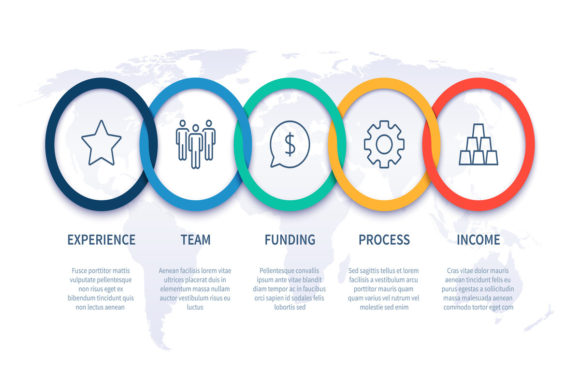
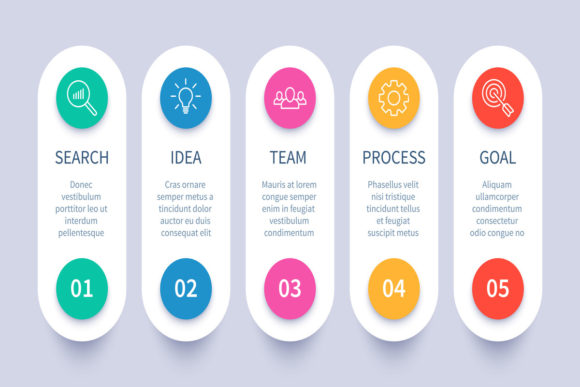
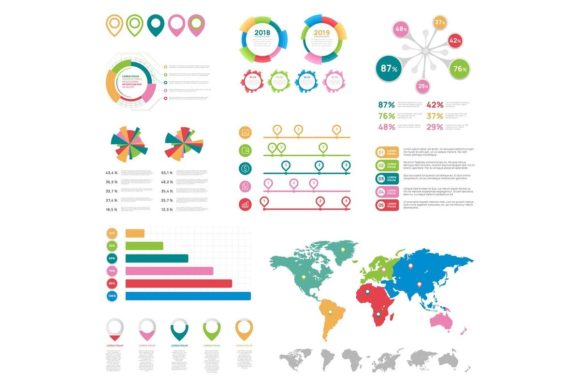
Flat Infographic Elements offer a streamlined, minimalist approach to presenting complex information. Unlike traditional 3D graphics or heavily stylized visuals, flat design strips away shadows, gradients, and textures to focus on clarity, simplicity, and function. These elements are widely used in business presentations, editorial layouts, digital dashboards, and marketing materials where clean communication is key.
What makes Flat Infographic Elements stand out is their visual consistency and adaptability. Whether you're building a bar chart for a quarterly report or designing a data-heavy infographic for a blog post, these elements maintain a cohesive aesthetic. They are especially effective when used in UI design, social media graphics, and print materials that require a modern, professional look without visual clutter.
Why Flat Design Works Across So Many Applications
The beauty of Flat Infographic Elements lies in their flexibility. They work equally well in digital and print formats, from responsive web design to static PDF reports. Designers appreciate how these elements integrate seamlessly into brand identity systems, editorial design, and packaging layouts. Their clean lines and uniform colors make them ideal for creating scalable graphics that remain legible across devices and sizes.
For entrepreneurs and marketers, this means being able to present business data clearly and professionally without needing advanced design skills. Bloggers and content creators can use these elements to enhance visual storytelling, turning raw numbers into compelling narratives. Crafters and small business owners benefit from the ability to customize and edit vector-based graphics using tools like Adobe Illustrator or other vector editors.
How Flat Infographic Elements Improve Communication
Visual clarity is one of the strongest assets of flat design. By removing unnecessary effects, these elements help viewers focus on the message rather than the style. This direct approach enhances readability, especially when presenting statistics, timelines, or comparative data in presentations or reports.
Flat Infographic Elements also support visual hierarchy. Designers can easily assign emphasis through color, scale, and spacing—without relying on complex effects. This helps guide the viewer’s eye and ensures that the most important information stands out. When used consistently, these elements reinforce brand perception and help establish a recognizable visual language across all marketing and communication materials.
Choosing the Right Elements for Your Project
When selecting Flat Infographic Elements for a project, it's important to consider both aesthetics and functionality. Start by evaluating the type of data you're presenting and the platform where it will be displayed. A bar chart used in a digital dashboard, for example, should be optimized for screen readability, while a similar chart in a printed report might benefit from a slightly bolder line weight.
Take time to test different styles and layouts before finalizing your design. Many vector-based infographic sets come with multiple variations of each element, allowing you to mix and match based on your needs. Don’t hesitate to remove or edit components if they don’t serve your message. The ability to customize is one of the key advantages of working with vector files like EPS10.
Also, pay attention to font pairings if your infographic includes text elements. Flat design often pairs well with modern sans-serif fonts for a clean, contemporary feel. However, depending on the tone of your content, you might choose a serif or script font for headings to add contrast and visual interest.
Practical Tips for Using Flat Infographic Elements
- Use a consistent color palette to maintain visual harmony across your design.
- Group related elements together to improve readability and logical flow.
- Optimize for different screen sizes when designing for digital use.
- Edit and simplify as needed using a vector editor like Adobe Illustrator.
- Ensure accessibility by maintaining sufficient contrast between text and background elements.
For commercial use, always verify the licensing terms included with your design assets. Most premium font and graphic sets come with clear guidelines for both personal and commercial projects. If you're unsure, reach out to the creator or distributor for clarification before publishing.
Final Thoughts: Design with Purpose
Flat Infographic Elements are more than just a design trend—they're a practical solution for anyone looking to communicate data clearly and effectively. Whether you're building a brand identity, crafting a presentation, or designing social media content, these elements help you deliver your message with precision and style.
By focusing on simplicity and usability, you can create visuals that are not only professional but also engaging. The key is to choose elements that align with your project’s goals, test them in real-world applications, and refine your designs for maximum impact. With the right approach, Flat Infographic Elements can become a go-to resource in your creative toolkit.