Chain Steps Infographic: Your Visual Roadmap for Structuring Complex Processes
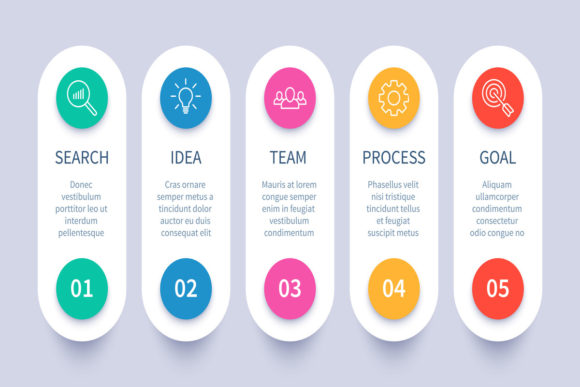
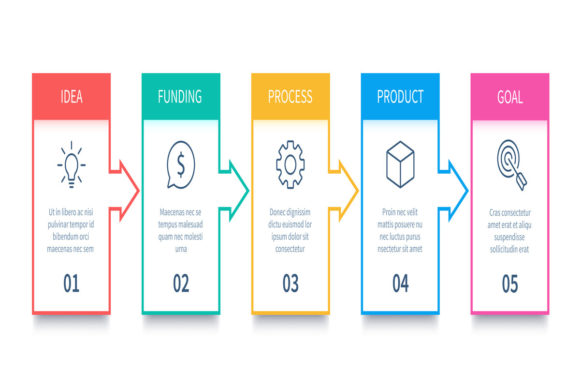
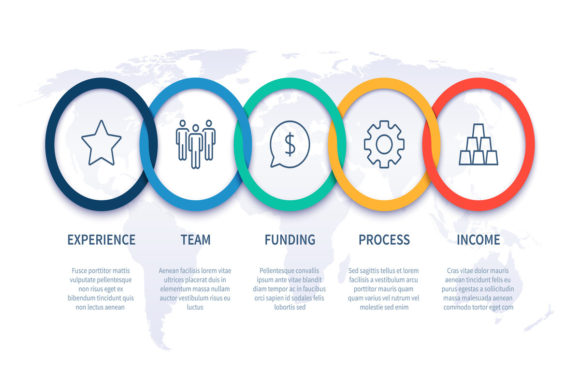
The Chain Steps Infographic is more than just a design template—it's a powerful visual storytelling tool that helps professionals break down complex sequences into digestible, sequential stages. Whether you're launching a startup, managing a product lifecycle, or planning a marketing campaign, this infographic format turns abstract ideas into actionable plans. With its clean, vector-based design, it offers flexibility for editing and customization, making it ideal for presentations, reports, and digital content.
How the Chain Steps Infographic Works in Real Life
Imagine you're leading a team tasked with launching a new SaaS product. You need to explain the timeline, responsibilities, and milestones to stakeholders who may not be familiar with the inner workings of product development. A Chain Steps Infographic allows you to visually map out the journey from ideation to launch, with each link in the chain representing a key phase like market research, prototyping, testing, and deployment.
Similarly, a nonprofit organization planning a multi-phase community development initiative can use this infographic to show donors and partners how each stage builds on the previous one. From fundraising to execution to impact assessment, the chain format reinforces the idea that each step is critical to the next.
Industries and Audiences That Benefit Most
- Startups use the Chain Steps Infographic to outline their business roadmap for pitch decks, investor meetings, and internal planning sessions.
- Project managers rely on it to communicate timelines and dependencies in a way that's easy to digest during team briefings.
- Educators and trainers use it to guide learners through multi-step processes, such as certification programs or curriculum plans.
- Marketing teams visualize customer journey maps or campaign rollouts, showing how each phase connects to the next.
- Consultants incorporate it into reports and proposals to illustrate strategic frameworks or transformation roadmaps.
Practical Use Cases Across Different Scenarios
Let’s look at a few real-world examples to understand how versatile the Chain Steps Infographic truly is:
- Startup Launch Plan: From idea validation to MVP development, funding rounds, hiring, and scaling, each link in the chain represents a milestone. Investors get a clear visual of growth trajectory without sifting through pages of text.
- Product Development Timeline: Engineering teams use it to show how design, prototyping, QA, and production phases interlock. This helps in aligning departments and setting realistic expectations.
- Change Management Process: In corporate environments, this format helps illustrate how change initiatives roll out—starting from awareness, moving through training, and ending with adoption metrics.
- Brand Strategy Presentation: Marketing agencies use it to show how brand positioning, messaging, media planning, and performance tracking all connect in a cohesive strategy.
What to Consider Before Using a Chain Steps Infographic
While the Chain Steps Infographic is a powerful tool, it's not a one-size-fits-all solution. Here are a few key considerations to ensure you get the most out of it:
- Clarity of message: Make sure each step in the chain clearly builds on the previous one. If the sequence isn't logical, the visual impact is lost.
- Level of detail: Avoid overcrowding each step with too much text. The goal is to simplify, not complicate. Use brief labels and supplement with supporting content elsewhere.
- Audience familiarity: If your audience is unfamiliar with the topic, consider adding brief explanations or tooltips to each step.
- Design flexibility: Since the infographic comes as a vector EPS10 file, ensure you have the right tools (like Adobe Illustrator) to edit and customize elements as needed.
Strengths That Make It Stand Out
The Chain Steps Infographic shines in environments where visual clarity and sequential logic are key. Its strength lies in:
- Visual flow: The chain metaphor makes it intuitive to follow the progression of ideas or actions.
- Customizability: The vector format allows users to tweak colors, icons, and layout to match brand guidelines or specific messaging needs.
- Scalability: Whether you're presenting to a small team or publishing on a blog, the infographic scales well across formats and sizes.
- Engagement: Visual learners respond better to this format than to long blocks of text, making it ideal for presentations and marketing materials.
When It Might Not Be the Best Fit
Despite its many benefits, the Chain Steps Infographic isn’t always the right choice. It works best for linear processes. If your content involves branching paths, feedback loops, or non-sequential relationships, you may need a different visual format—like a flowchart or mind map.
Also, if your audience prefers deep dives into each stage, you’ll need to pair the infographic with additional documentation or annotations. The infographic itself should serve as a high-level overview rather than a detailed breakdown.
Maximizing Its Impact in Presentations and Reports
To get the most out of your Chain Steps Infographic, consider these tips:
- Pair it with storytelling: Use the infographic as a backdrop to a narrative that explains each step in more depth during a presentation.
- Embed in reports or whitepapers: Add it to strategy documents to give readers a visual summary of complex processes.
- Use it in digital marketing: Incorporate the JPEG preview version into blog posts or social media content to boost engagement and shares.
- Make it interactive: If you're using it on a website or digital platform, turn each link into a clickable element that reveals more details or related content.
Final Thoughts
The Chain Steps Infographic is a versatile, visually engaging tool that simplifies the communication of complex processes. Whether you're guiding a team through a project, explaining a business strategy to investors, or teaching a multi-stage concept to students, this infographic brings clarity and structure to your message. With its vector-based format and scalable design, it’s a smart addition to any toolkit—especially for professionals who value both form and function in their visual communication.