Process Steps Infographic Chart: A Visual Tool for Clarity and Communication
Whether you're launching a startup, managing a team, or teaching a complex topic, a Process Steps Infographic Chart can make your message clearer and more engaging. This visual tool breaks down a sequence of actions into digestible parts, helping different audiences understand and retain information more effectively. From business strategy layouts to workflow timelines, these charts offer a structured way to present processes in a way that's both informative and visually appealing.
What Is a Process Steps Infographic Chart?
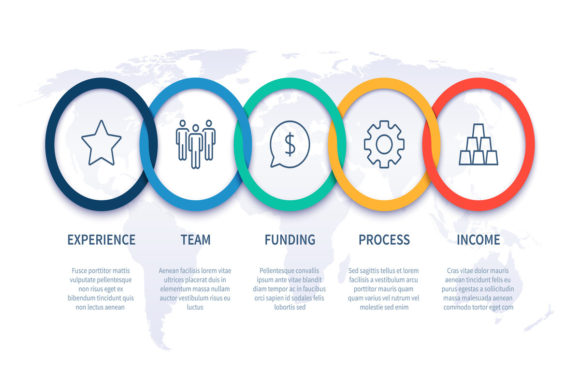
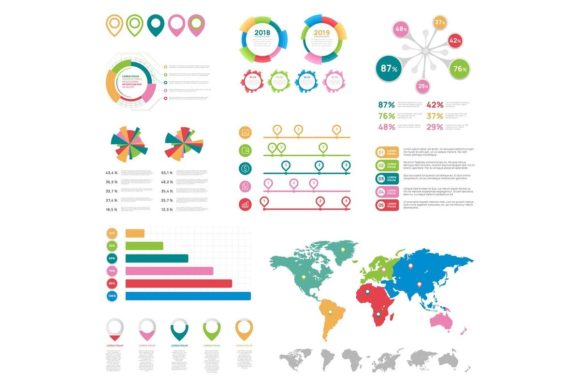
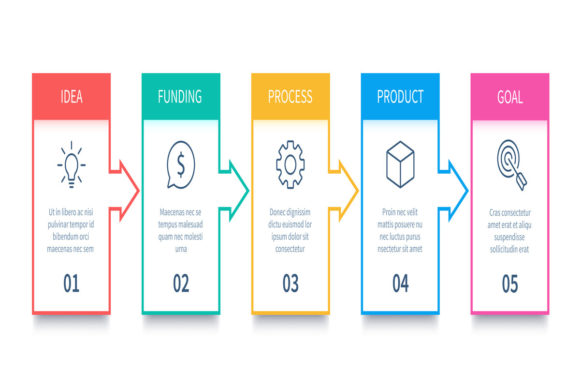
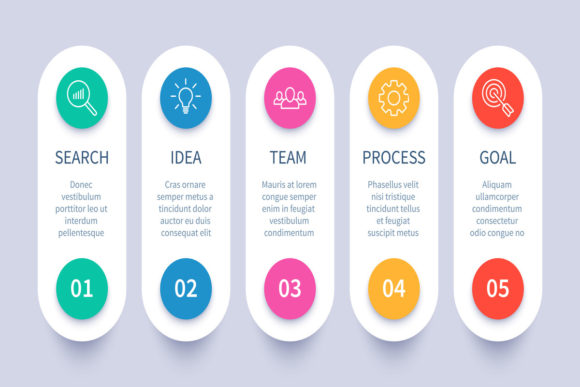
A Process Steps Infographic Chart is a visual representation of a multi-step procedure or workflow. It typically includes icons, arrows, labels, and color-coded sections to illustrate the flow of tasks from start to finish. These charts are often used in presentations, reports, marketing materials, and educational content to simplify complex ideas and guide the viewer through a logical sequence.
Common formats include horizontal timelines, vertical flowcharts, circular diagrams, and numbered lists. Many templates come in vector formats like EPS10, allowing for full customization, while JPEG previews offer a quick view of the layout before editing.
Why Different People Care About Process Charts
The value of a Process Steps Infographic Chart varies depending on who's using it. Here's how different audiences find relevance in this tool:
Beginners and Learners
For those just starting out—whether in a new job, a course, or a side project—these charts help build a mental map of what needs to happen and in what order. A beginner trying to understand the steps in a marketing campaign or the stages of product development can benefit from the visual clarity a chart provides.
For example, a student learning about the customer journey might use a Process Steps Infographic Chart to visualize how users interact with a brand from awareness to purchase.
Professionals and Team Leaders
Professionals in business operations, project management, or strategic planning often use these charts to align teams and communicate plans clearly. A timeline-based chart can show deadlines, dependencies, and responsibilities in a way that's easier to grasp than a written document.
A project manager overseeing a product launch might use a Process Steps Infographic Chart to outline the key stages—research, design, development, testing, and release—along with responsible team members and key milestones.
Creators and Marketers
For content creators and marketers, infographics are a powerful storytelling tool. A Process Steps Infographic Chart can help explain how to use a product, the benefits of a service, or the steps in a customer journey. These visuals are especially useful in blog posts, social media, and email campaigns where attention spans are short.
A SaaS company might use such a chart to show how a user signs up, sets up an account, explores features, and becomes a paying customer—all in a single, easy-to-follow image.
Educators and Trainers
Teachers and corporate trainers often use Process Steps Infographic Charts to explain procedures, decision-making flows, or instructional sequences. These charts help learners visualize how concepts connect and what comes next in a process.
For instance, a trainer teaching employees how to handle customer complaints might use a flowchart-style infographic to show the steps from receiving a complaint to resolving the issue and following up.
Small Business Owners and Entrepreneurs
Startups and small businesses need clarity and efficiency. A Process Steps Infographic Chart can be used to outline business strategies, customer onboarding, supply chain steps, or even the journey from idea to launch. It helps entrepreneurs communicate their business model to investors, partners, or internal teams.
An entrepreneur pitching a new app idea might use a Process Steps Infographic Chart to show how the app works, from user sign-up to feature usage and support options.
Key Priorities When Choosing a Process Steps Infographic Chart
Not all charts are created equal. Depending on your goals and experience level, certain factors may matter more than others:
- Beginners often prioritize ease of use and clarity. Pre-designed templates with drag-and-drop editors can be ideal.
- Professionals may care more about flexibility and customization. Vector files like EPS10 allow full editing in tools like Adobe Illustrator.
- Marketers might focus on presentation quality and brand alignment, looking for charts that can be styled to match their visual identity.
- Educators often value learning value and reusability, preferring charts that can be reused across different lessons or adapted for various topics.
- Business owners may emphasize commercial value and long-term usefulness, choosing charts that can evolve with their company's needs.
Practical Examples for Different Users
Let’s look at how different people might apply a Process Steps Infographic Chart in real life:
- A blogger writing about personal finance could use a chart to explain how to build a budget, from tracking income to allocating funds and reviewing progress.
- A freelance designer might create a Process Steps Infographic Chart for a client showing how a website project moves from discovery to launch.
- An HR manager could use one to outline the employee onboarding process, from paperwork to training to performance reviews.
- A teacher might design a chart to show how students can write a research paper, from choosing a topic to final submission.
- A product manager may use a detailed workflow timeline to explain the stages of product development, including feedback loops and testing phases.
How to Know If a Process Steps Infographic Chart Is Right for You
Ask yourself a few key questions to determine if this type of visual tool fits your needs:
- Do you need to explain a multi-step process clearly and visually?
- Will your audience benefit more from a structured layout than from a written explanation?
- Do you have access to tools or templates that allow you to edit and customize the chart?
- Are you presenting to a group that includes visual learners or non-experts?
If you answered yes to any of these, a Process Steps Infographic Chart could be a valuable addition to your communication toolkit.
Getting the Most Out of Your Infographic
When working with a Process Steps Infographic Chart, consider these tips to maximize its impact:
- Use consistent icons and colors to reinforce meaning and flow.
- Keep text concise and focused on key actions or outcomes.
- Ensure the chart is scalable and readable, especially if it will be printed or shared digitally.
- Edit vector files with tools like Adobe Illustrator to customize shapes, fonts, and spacing.
- Test the chart with a sample audience to see if it communicates the intended message clearly.
Remember, the goal is not just to show steps—but to make them understandable, memorable, and actionable.